


- Messages
- 3,991
- Likes
- 1,873
- Points
- 2,130
Cybercriminals are mastering home cooking:
Under the guise of recipe books, courses, and video tutorials, they distribute malicious files, steal accounts, and extort banking information.
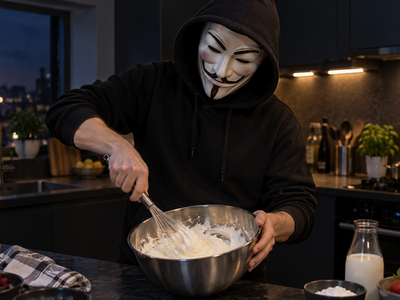
Food is associated with comfort and security, so a suspicious link for a pie is often more credible than an email from an unknown bank.
Users are tempted to download an exclusive collection, leave a phone number and email address for a free recipe, or vote for a participant in a cooking contest. Instead of a dish, they may receive a spyware APK, a phishing authentication form, or a website mimicking a food delivery service.
Scammers also use hacked food blogger accounts, fake restaurant giveaways, and paid courses compiled from free materials.
The next level is deepfakes of famous chefs and personalized attacks. Fraudsters can study a person's messages in themed chats, learn their diet, and send a perfectly tailored recipe booklet with malicious content.
Elderly users are particularly vulnerable, but anyone can have their data stolen instead of borscht. Consequences include access to banking apps, government services, correspondence, and passwords.
Experts advise searching for recipes on reputable sites, checking the website address, and not entering payment information unless necessary. The main rule is even simpler: a recipe is text. It doesn't need an executable file, a password-protected archive, or a separate app.
Under the guise of recipe books, courses, and video tutorials, they distribute malicious files, steal accounts, and extort banking information.
Food is associated with comfort and security, so a suspicious link for a pie is often more credible than an email from an unknown bank.
Users are tempted to download an exclusive collection, leave a phone number and email address for a free recipe, or vote for a participant in a cooking contest. Instead of a dish, they may receive a spyware APK, a phishing authentication form, or a website mimicking a food delivery service.
Scammers also use hacked food blogger accounts, fake restaurant giveaways, and paid courses compiled from free materials.
The next level is deepfakes of famous chefs and personalized attacks. Fraudsters can study a person's messages in themed chats, learn their diet, and send a perfectly tailored recipe booklet with malicious content.
Elderly users are particularly vulnerable, but anyone can have their data stolen instead of borscht. Consequences include access to banking apps, government services, correspondence, and passwords.
Experts advise searching for recipes on reputable sites, checking the website address, and not entering payment information unless necessary. The main rule is even simpler: a recipe is text. It doesn't need an executable file, a password-protected archive, or a separate app.